
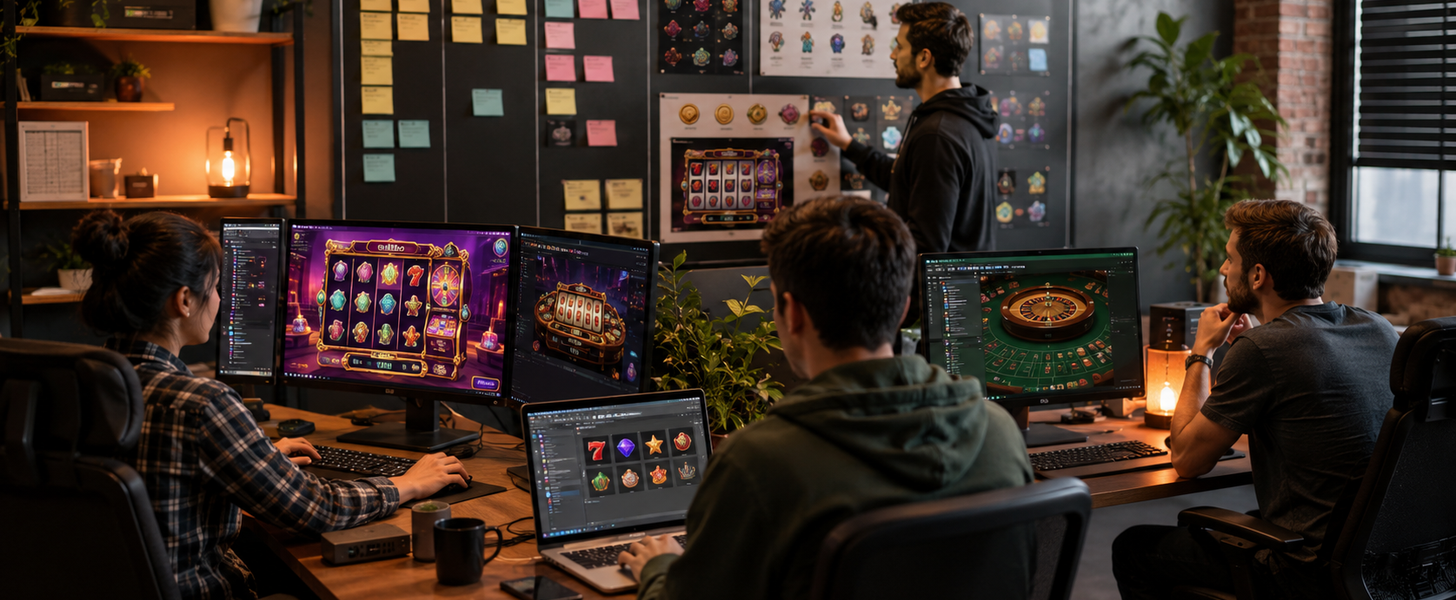
The online gaming industry continues to attract attention, and casino game development is one area worth watching. Figures cited by GlobeNewswire put the global social gaming market at $41.4 billion in 2025, with projections reaching $110.9 billion by 2030.
For both established businesses and new startups, understanding where development costs come from is essential. The final budget can depend on many moving parts — game design, backend infrastructure, testing, compliance requirements, or online casino games API integration, for example.
In this article, we’ll look at the main factors that can shape casino game development costs and how teams can approach the process efficiently without treating quality as an afterthought.
Understanding casino game development costs
Several factors can shape development costs, with the final budget depending on game complexity, target platforms, technical requirements, and the experience of the development team.
1. Type of game
Different formats can require very different levels of work:
- Slots: Simpler concepts may involve fewer mechanics and assets than more elaborate games.
- Table games: Complexity can increase when features such as live-dealer functionality or AI-driven components are involved.
- Poker, bingo, and specialty games: Multiplayer features, game logic, and additional backend requirements can add to the development workload.
2. Design and graphics
Visual ambition has a direct impact on production scope. A straightforward 2D slot, for example, will typically require fewer art and animation resources than a detailed 3D game with extensive effects and interactive elements.
3. Platform and devices
Supporting several environments — such as iOS, Android, and web — can mean additional development, testing, and optimization. Costs may also depend on the broader technical setup, whether the game is built around custom infrastructure, third-party services, or existing casino software.
4. Music and audio
Audio requirements can range from stock effects to original music, voice work, and professionally produced sound design. The more custom the audio package, the more resources it is likely to require.
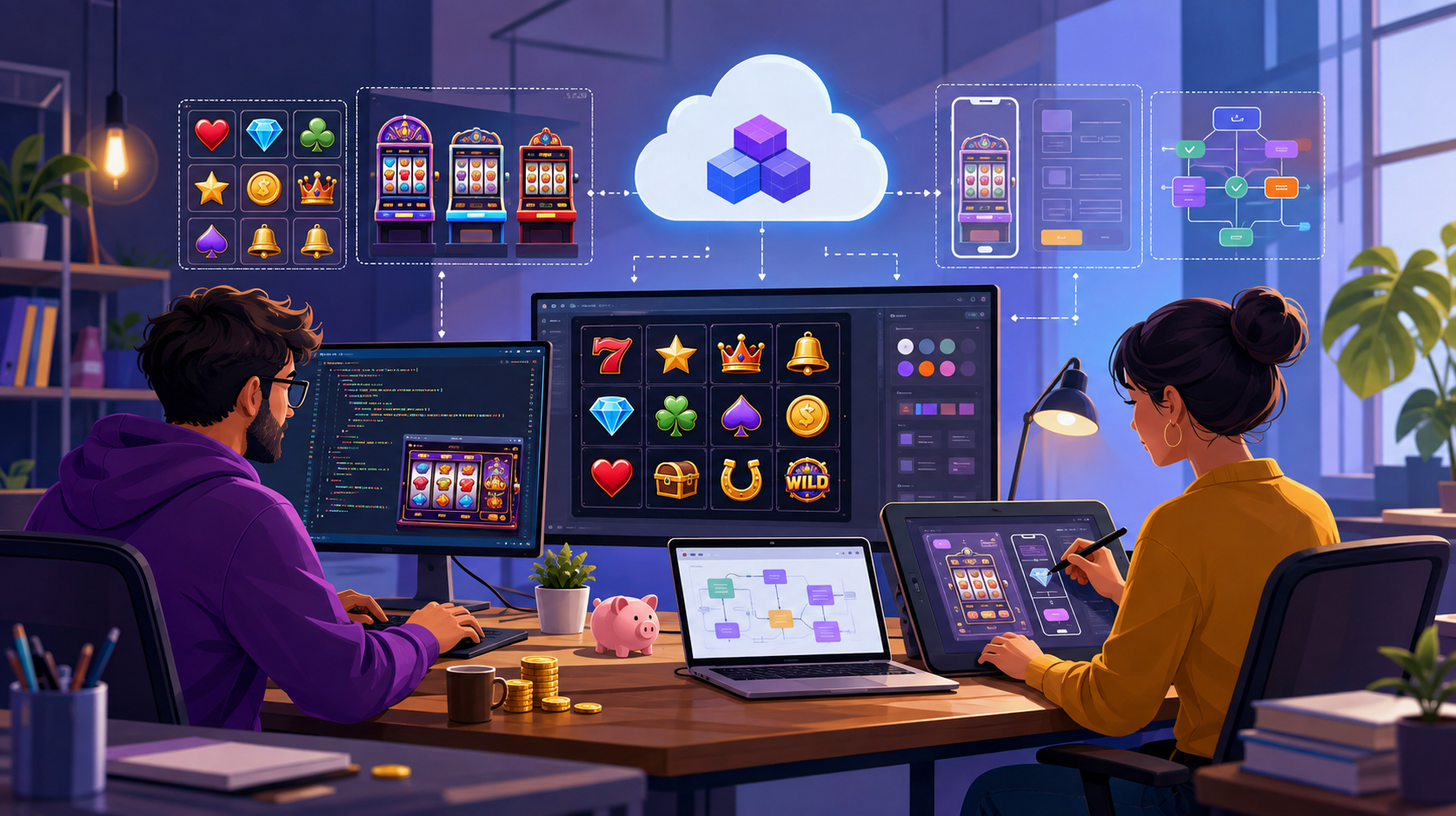
5. Regulatory compliance
Requirements differ by jurisdiction. Depending on the intended market, development may need to account for technical standards, certification processes, legal review, or other compliance-related work.
6. Development timeline
Longer projects generally involve more labor, particularly when a game requires extensive testing, iteration, integration work, or multiple rounds of refinement.
Effective casino game development strategies
Reducing costs does not have to mean cutting corners. The aim is to spend where it matters and avoid unnecessary development work.
1. Choose the right development company
A suitable development partner can make budgeting considerably easier:
- Industry experience: Teams familiar with casino game development may already understand many of the technical and market-specific considerations involved.
- Relevant expertise: Experience with the particular game format can reduce the amount of time spent learning unfamiliar mechanics or workflows.
- Transparent pricing: Detailed proposals make it easier to understand what is included and where additional costs could arise.
- Pre-built components: Existing frameworks or reusable modules can be worth considering when they fit the project requirements.
2. Start with an MVP
An MVP can keep the first development stage focused on essential functionality rather than an extensive feature list. Additional mechanics, content, or interface elements can then be introduced gradually as the team gathers feedback and learns how the product is being used.
3. Consider cross-platform development tools
Frameworks such as Unity or Cocos2d can support development across multiple platforms from a shared codebase. Whether this approach reduces costs in practice will depend on the game, platform-specific requirements, and the amount of optimization needed for each device.

4. Outsource selected assets and services
Not every capability has to sit permanently in-house. Depending on the project, selected tasks might be handled by external specialists:
- Art and animation: Freelance artists or studios can produce individual asset packages.
- Sound design: Teams might commission original audio or use appropriately licensed existing material.
- QA testing: Independent testing teams can supplement internal quality assurance when additional coverage is needed.
5. Evaluate pre-built software options
Building every layer from scratch is not the only route. Depending on the scope of the business, alternatives might include reusable frameworks, white-label technology, individual third-party modules, or a turnkey casino solution that combines several operational components within a broader setup.
The right choice depends less on the label attached to the software than on how well it matches the technical, commercial, and regulatory requirements of the project.
6. Plan monetization early
If monetization is part of the product, it is useful to account for it during the initial architecture and design stages. Possible models might include in-app purchases, advertising, subscriptions, or real-money features where legally permitted. Planning these mechanics early can reduce the need for substantial structural changes later.
7. Test and iterate continuously
Testing with a limited audience before expanding more broadly can reveal usability issues, technical problems, or features that need refinement. An iterative approach allows the development team to make smaller adjustments throughout the project rather than discovering major problems only after launch.